Food Fortification Prevents 7 Billion Nutrient Gaps Annually—But Could Triple Its Impact, Landmark Study Finds
GENEVA, SWITZERLAND / AGILITYPR.NEWS / March 26, 2026 / New research in The Lancet Global Health provides first-ever global estimates of how fortified foods improve nutrition – and maps a path to dramatically expand benefits at minimal cost
Geneva — Large-scale food fortification—adding essential vitamins and minerals to staple foods like flour, rice, oil, and salt—currently prevents approximately 7 billion nutrient gaps* worldwide each year at a cost of just 18 cents per person, according to a new study published in The Lancet Global Health. The landmark study provides the first-ever comprehensive global analysis of both the cost and impact of food fortification and provides a roadmap to triple current impact globally.
High food costs and persistent poverty continue to keep nutritious diets out of reach for billions worldwide, leading to micronutrient deficiencies. These deficiencies affect 1 in 2 preschool-aged children and 2 in 3 women of reproductive age globally, and are linked to poor health, increased risk of disease, and poor cognitive development. Food fortification offers a powerful solution to this public health challenge.
"This research confirms that food fortification is one of the most cost-effective public health interventions available," said Dr. Mduduzi Mbuya, Director of Knowledge Leadership at the Global Alliance for Improved Nutrition (GAIN) and co-author of the study. "Salt iodization alone prevents 3.3 billion iodine deficiencies each year—reducing global iodine deficiency by 87%. But we're also leaving major gains on the table. With targeted improvements, we could reach billions more people."
The study, led by researchers at GAIN with collaborators from the University of California, World Bank, and Tufts University, revealed that improving and expanding fortification programs could triple the impact to prevent 25 billion nutrient gaps every year.
Key Findings
Researchers modeled the impact of fortification across 185 countries, covering 99.3% of the global population, and examined six scenarios ranging from no fortification to optimized global programs, which includes expanded coverage in high-need countries combined with improved standards and compliance:
Current impact: Existing programs prevent 7 billion nutrient gaps annually at a global cost of $1.06 billion (just $0.18 per person). Iodized salt—a proven global fortification success story with near-universal coverage—accounts for nearly half of all benefits, followed by iron fortification of flour.
The remaining gap: Despite current programs, an estimated 38.6 billion nutrient gaps persist worldwide—driven by poor diet quality, suboptimal fortification standards, low industry compliance, and limited program coverage in high-need regions.
Untapped potential: The study identified three priority actions that could dramatically expand food fortification programs to triple impact:
- Improving compliance with existing standards to 90% would prevent an additional 6.1 billion nutrient gaps at a cost of $0.23 per person annually
- Aligning national standards with World Health Organization (WHO) guidelines while improving compliance would prevent 10.3 billion additional nutrient gaps at $0.63 per person
- Expanding programs to high-need countries with appropriate food vehicles—combined with improved standards and compliance—would prevent 17.7 billion additional nutrient gaps at $1.15 per person
“Although many countries require food processors to fortify staple foods, compliance is often low,” says Dr. Christopher Free, a Research Professor at the University of California, Santa Barbara and joint first author of the study. “Improving compliance with current laws could prevent 6.1 billion more nutrient gaps at an additional cost of only $0.05 a person.”
A Cost-Effective Solution
Large-scale food fortification is one of the most cost-effective health and development interventions, delivering outsized returns. Under the most comprehensive scenario, the annual cost is just $1.15 per person, a modest investment compared to the tens of billions of dollars in economic losses attributed to micronutrient deficiencies each year through reduced productivity, increased healthcare costs, and lost human potential. On average, every dollar invested in fortification provides returns of $27 in health and productivity.
Fortification Is Key to Improving Food Systems
Even with optimized fortification programs, an estimated 20.9 billion nutrient gaps would remain under the best-case scenario, highlighting the need for complementary approaches.
"Fortification is a powerful tool, but it is most effective as part of a comprehensive strategy," said Florencia Vasta, global lead for large-scale food fortification at GAIN. “Achieving optimal nutrition for everyone will require parallel investments in dietary diversity, supplementation for vulnerable groups like pregnant women and young children and making healthy diets more affordable and accessible."
Why this Matters Now
This research comes at a critical moment. Currently, 2.6 billion people worldwide cannot afford a healthy diet, according to the UN Food and Agriculture Organization. Global malnutrition remains a leading cause of preventable death and disease, particularly in low and middle-income countries. With governments seeking cost-effective interventions that deliver proven results, this study provides compelling evidence that fortification deserves significantly increased investment and enforcement. Policymakers can act immediately: enforce existing fortification standards, align them with global guidelines, and expand programs to high need countries. Private sector partners can strengthen compliance and transparency. Donors can fund monitoring and enforcement systems.
Food fortification is a global health success story hiding in plain sight,” said Meetu Kapur, Nutrition Director at the Gates Foundation. “This landmark study provides the first comprehensive global evidence on what large scale fortification costs—and what it delivers. With new products emerging from the innovation pipeline, the data show we could triple impact and reach millions more people with the essential nutrients they need to survive and thrive.
About the Study
The analysis integrated dietary intake data from the Global Dietary Database with fortification program parameters from the Global Fortification Data Exchange. Researchers estimated inadequate intakes for 13 micronutrients and calculated implementation costs including premix, industry equipment and quality assurance, and government monitoring across five fortified foods: wheat flour, maize flour, rice, oil, and salt.
All data and analysis code are publicly available at: https://github.com/cfree14/fortification
Funding: Swiss Agency for Development and Cooperation and the Gates Foundation
*When we count up all the ways people may not be getting enough essential nutrients (like iron, zinc, vitamin A, etc.), fortification programs currently prevent about 7 billion of these inadequacies each year. Two ‘nutrient gaps’ can represent one person inadequate in two nutrients, or two different people each with one inadequacy.
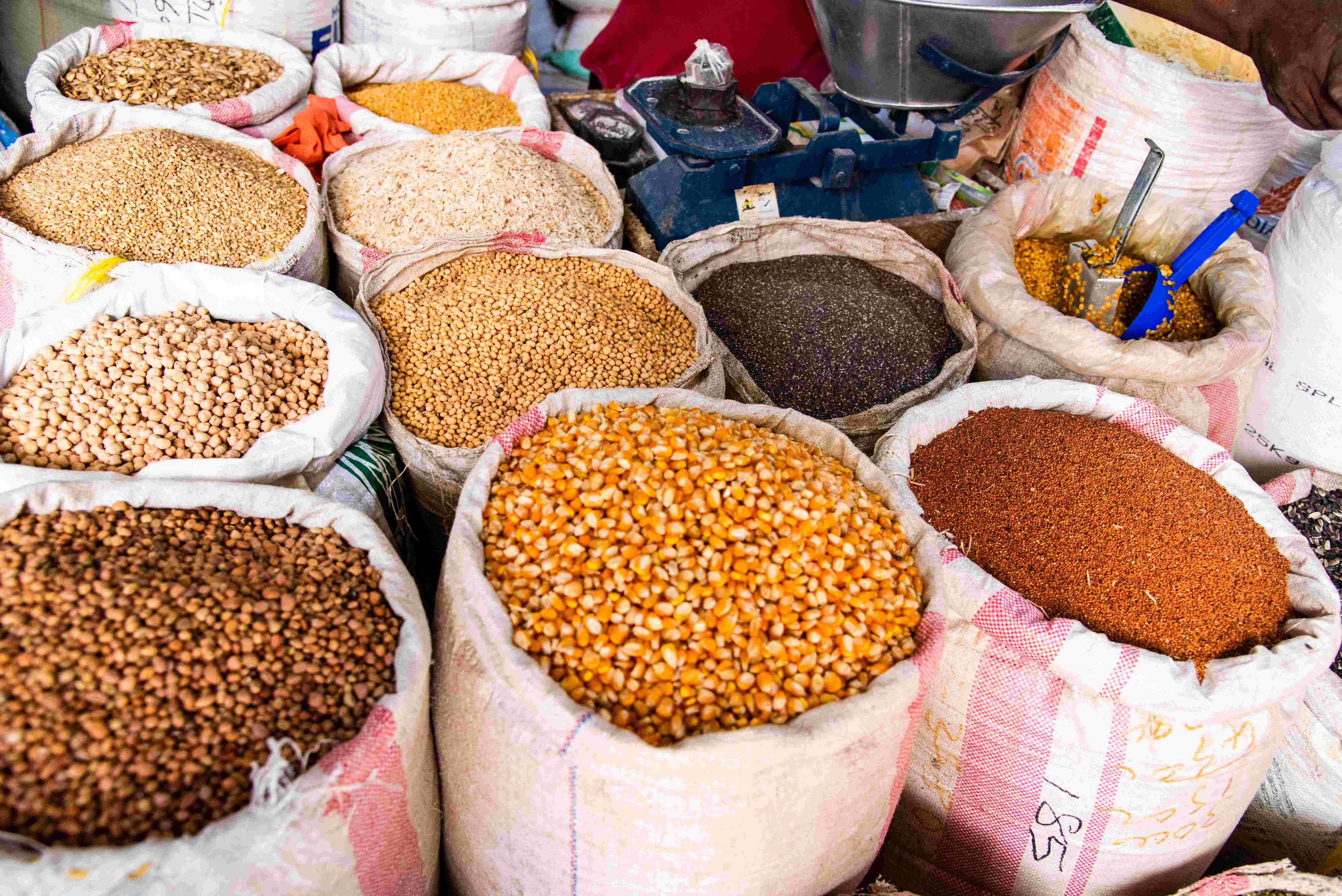
Captioning your images is a recommended approach to improve accessibility.
About GAIN: The Global Alliance for Improved Nutrition (GAIN) is a Swiss-based foundation launched at the UN in 2002 to tackle the human suffering caused by malnutrition. Working with governments, businesses, and civil society, GAIN aims to transform food systems so that they deliver more nutritious food for all people, especially the most vulnerable. For more information, visit gainhealth.org.
Contacts