ITV's Dr Hilary Jones Launches Campaign Aimed at Stopping Stroke
UNITED KINGDOM / AGILITYPR.NEWS / March 10, 2022 / National charity urges public to check for ‘silent’ conditions that can cause deadly strokes
Leading British Doctor - Dr Hilary Jones, is backing the Stroke Association’s campaign to urge the public to get checked for ‘silent’ health conditions that can cause a deadly stroke, with new UK data suggesting that at least 13 in every 100 Londoners could be living with a ‘silent’ condition that causes deadly strokes [1].
Further England, Wales and Northern Ireland-wide data reveals over one in two (55%) stroke patients have high blood pressure and one in five (18%) have an irregular heart rhythm known as atrial fibrillation. [2] Both conditions are often without symptoms. The charity warns that missed diagnosis and lack of treatment, which has been exacerbated by the Covid-19 pandemic, could increase the number of strokes by thousands. [3,4]
In the UK, around 10 million people have diagnosed high blood pressure [5-8]. However, it is estimated that high blood pressure actually affects around 15 million adults in the UK [9]. This means one in three people with high blood pressure – are living with the condition undiagnosed. In the UK, around 1.4 million people have atrial fibrillation [5-8] but an additional 500,000 cases are expected to be undiagnosed [10].
Dr Hilary Jones is a GP, presenter and writer, known for his television appearances on shows such as Good Morning Britain and Lorraine. Dr Hilary Jones said: “It’s vital that you get checked for high blood pressure and atrial fibrillation so you can avoid a deadly stroke. In many people, these conditions often don’t have obvious symptoms – so taking the time to get checked could prevent a stroke. You can get your blood pressure checked at your local pharmacy, at an NHS Health Check appointment, at your GP surgery and at home.
“If you’re measuring your blood pressure at home, make sure you share your readings with your GP so they can regularly review your treatment. Checking your pulse is the first step to monitoring for atrial fibrillation. If your heart rate doesn’t feel right, talk to your GP. We know there are many cases of high blood pressure and atrial fibrillation that aren’t being diagnosed. But, if caught early these conditions can be treated with medicine or changes to your lifestyle, which can reduce your risk of a life-changing stroke.”
The latest data from the first annual Cardiovascular Disease Prevention Audit (CVDPREVENT) and Stroke Sentinel National Audit Programme (SSNAP) also reveal [1,2]:
- Missed opportunities for diagnosis: Nationally, 5% (4701) of stroke patients were newly diagnosed with atrial fibrillation, when they had their stroke
- Lack of appropriate management for patients with diagnosed risk factors for stroke:
- Nationally, almost a quarter - 24% (3,874) of stroke patients who had a previous diagnosis of atrial fibrillation were not on anticoagulant medication
- Regional variations in diagnosis, treatment and management of high blood pressure and atrial fibrillation, that are putting people at risk of stroke:
- High blood pressure prevalence recorded at Clinical Commissioning Group level i.e. by local GP area, ranged from 11% to 23% (the difference was more pronounced and increased with age). For example, 13% of people registered with a GP, in London were diagnosed with high blood pressure vs 18% in Cumbria and the North East
- Atrial fibrillation prevalence recorded at Clinical Commissioning Group level i.e. by local GP area, ranged from 1% to 4% (the difference was more pronounced and increased with age) For example, 1% of people registered with a GP in London were diagnosed with atrial fibrillation vs 3% in Cumbria and the North East
- In Humber Coast and Vale, a third of stroke patients (36%) with known atrial fibrillation before their stroke were not on anticoagulant medication. Whereas in Frimley ICS and Surrey, around in one ten (15%) stroke patients with known atrial fibrillation before their stroke were not on anticoagulant medication.
The Covid-19 pandemic has had a huge impact on the entire health system, and whilst GPs have worked incredibly hard to maintain service during the pandemic, there have been fewer face to face appointments. Between March – May 2020, the diagnosis rate of cardiovascular conditions (including high blood pressure) almost halved, dropping to 43%. [11]
Stroke strikes every five minutes in the UK, and happens when the blood supply to part of your brain is cut off, killing brain cells. [12] High blood pressure is the single biggest risk factor for stroke – causing blood vessels to narrow or block, or to burst. [13] Atrial fibrillation is a type of irregular heartbeat that prevents your heart from emptying blood properly, causing blood clots which can travel to your brain. [14]
These two silent conditions are linked: high blood pressure is a significant risk factor for atrial fibrillation [15]. Furthermore, strokes caused by atrial fibrillation are more severe and are more likely to result in institutional care. [16]
Keith Laundon (74, ) had a stroke caused by Atrial Fibrillation. He was at home with wife Angela, 71, in June last year when she spotted him behaving strangely and immediately realised he was having a stroke.
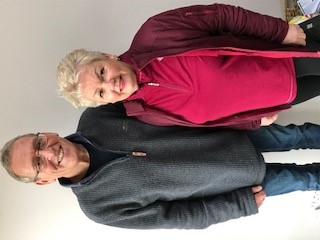
Keith said: “Two weeks later I saw my GP for a follow up after stroke. I had various tests including an ECG in the surgery. The ECG showed I was in AF. After the consultant saw the ECG results he recommended an urgent Ablation Procedure.”
Keith’s post stroke symptoms include fatigue, anxiety and difficulty with feelings but he feels he is lucky compared to many stroke survivors. “If anyone is having palpitations I would tell them to go to their GP and ask for an ECG at least over a seven day period, not a 24 hour.” Keith’s son Matthew, 49, was diagnosed with AF two years ago. He had been admitted to intensive care with a heart rate of 180-200 beats a minute. Drugs brought this down and after long delays due to Covid-19 he also underwent an ablation procedure.
Juliet Bouverie OBE, Chief Executive at the Stroke Association said: “Pre-pandemic, diagnosis rates of high blood pressure and atrial fibrillation were already low. So we’re incredibly worried that the pandemic’s knock-on effect on healthcare services means thousands of people are unknowingly living with these deadly conditions.
“Heart health affects brain health. So we are urging you to act now and make sure your heart is healthy by getting checked for high blood pressure and atrial fibrillation. Don’t let the first sign of high blood pressure or atrial fibrillation be a life-changing stroke. We know it can be difficult to get an appointment at your GP, but it’s vital that you persist when making this call, or visit your local pharmacy and get checked there. These simple checks could save your life.
“It’s also very concerning that there are differences in the diagnosis (and treatment) rates of these conditions across the UK, which is putting even more people at risk of a stroke. We want there to be fewer strokes and for the people affected by stroke to have the treatment and support they need to live the best lives they can. Through early diagnosis and effective management of these conditions, your risk of stroke dramatically decreases. So, wherever you live, make sure you get checked for these conditions. And if you’re worried about the treatment you are receiving, talk to your GP.
“There are also other things you can do to keep your heart healthy. Regular exercise, eating a healthy, balanced diet and reducing your salt intake, all help to lower your blood pressure and reduce your risk of stroke.”
Go to the Stroke Association website for more information on high blood pressure and stroke and atrial fibrillation and stroke
To find your nearest pharmacy where you can get your blood pressure checked go to: Local Well Pharmacy / Lloyds Pharmacy
Measurements for normal blood pressure:
- High blood pressure is considered to be 140/90mmHg or higher (or 150/90mmHg or higher if you're over the age of 80)
- Ideal blood pressure is usually considered to be between 90/60mmHg and 120/80mmHg
- Blood pressure readings between 120/80mmHg and 140/90mmHg could mean you're at risk of developing high blood pressure if you do not take steps to keep your blood pressure under control.
- Low blood pressure is considered to be 90/60mmHg or lower
Source [https://www.nhs.uk/conditions/high-blood-pressure-hypertension/]
Measurements for normal pulse range:
- Most adults have a resting heart rate between 60 and 100bpm.
- The fitter you are, the lower your resting heart rate is likely to be. For example, athletes may have a resting heart rate of 40 to 60bpm, or lower.
- See a GP to get checked if you think your heart rate is continuously above 120bpm or below 60bpm, although it may simply be that this is normal for you.
References
1. Cardiovascular Disease Prevention Audit (CVDPREVENT). Produced by Office for Health Improvement and Disparities and the NHS Benchmarking Network. CVD Prevent. Available at: https://www.cvdprevent.nhs.uk/data-extract?indicator=11&systemLevel=2&period=2
2. Sentinel Stroke National Audit Programme (SSNAP): October 2020-September 2021. Available at: https://www.strokeaudit.org/results/Clinical-audit/National-Results.aspx
3. Blood Pressure UK. What is high blood pressure? Available at: https://www.bloodpressureuk.org/your-blood-pressure/understanding-your-blood-pressure/what-is-high-blood-pressure/
4. British Heart Foundation. Atrial Fibrillation – Causes, symptoms and treatment. https://www.bhf.org.uk/informationsupport/conditions/atrial-fibrillation#heading2
5. NHS Digital Quality Outcomes Framework. Available at: https://digital.nhs.uk/data-and-information/data-tools-and-services/data-services/general-practice-data-hub/quality-outcomes-framework-qof
6. Public Health Scotland – Data and Intelligence. Available at: https://beta.isdscotland.org/find-publications-and-data/health-services/primary-care/general-practice-disease-prevalence-data-visualisation/25-february-2020/dashboard/
7. Stats Wales. Available at: https://beta.isdscotland.org/find-publications-and-data/health-services/primary-care/general-practice-disease-prevalence-data-visualisation/25-february-2020/dashboard/
8. Department of Health Ireland. Available at: 2020/21 raw disease prevalence trend data for Northern Ireland
9. British Heart Foundation. Heart Statistics. BHF Statistics Factsheet UK. https://www.bhf.org.uk/what-we-do/our-research/heart-statistics.
10. Lang A, Edwards F, Norton D, Semple L, Williams H. Using mobile ECG devices to increase detection of atrial fibrillation across a range of settings in south London. Future Healthc J. 2020;7(1):86-89. doi:10.7861/fhj.2019-00339.
11. Williams, R. et al. (2020). ’Diagnosis of physical and mental conditions in primary care during the Covid-19 pandemic: a retrospective cohort study’. Lancet Public Health, 5, pp. 543-50.
12. Stroke Association (2022) Stroke Statistics. Available at: https://www.stroke.org.uk/what-is-stroke/stroke-statistics
13. Stroke Association (2022) High blood pressure. Available at: https://www.stroke.org.uk/what-is-stroke/are-you-at-risk-of-stroke/high-blood-pressure
14. Stroke Association (2022) Available at: https://www.stroke.org.uk/what-is-stroke/are-you-at-risk-of-stroke/atrial-fibrillation
15. Ali AN, Abdelhafiz A. Clinical and economic implications of AF related stroke.J Atr Fibrillation. 2016; 8:1279. doi: 10.4022/jafib.1279
16. Verdecchia P et al. Hypertension and atrial fibrillation: Doubts and certainties from basic and clinical studies. Circ Res 2018 122(2):352-368.
About Us
Stroke Association
- Stroke strikes every five minutes in the UK and it changes lives in an instant.
- The Stroke Association is a charity working across the UK to support people to rebuild their lives after stroke. We believe that everyone deserves to live the best life they can after stroke. From local support services and groups, to online information and support, anyone affected by stroke can visit stroke.org.uk or call our dedicated Stroke Helpline on 0303 3033 100 to find out about support available locally.
- Our specialist support, research and campaigning are only possible with the courage and determination of the stroke community and the generosity of our supporters. With more donations and support, we can help rebuild even more lives.
- You can follow us on Twitter, Facebook, Instagram and LinkedIn.
Contacts