Manual Handling Isn’t Going Away - Here’s How It’s Evolving
UNITED KINGDOM / AGILITYPR.NEWS / February 03, 2026 / For immediate release
03 February 2026
Manual Handling Isn’t Going Away - Here’s How It’s Evolving
Automation may dominate warehouse headlines, but for much of the UK logistics sector, manual handling remains firmly in place. For SMEs and regional distribution centres in particular, the reality is more nuanced than a fully automated future.
According to Midland Pallet Trucks, a leading retailer of pallet trucks, stacker trucks and lift tables, robotics and automated systems do have an important role to – but high-quality manual handling equipment remains essential for flexibility, resilience and cost control.
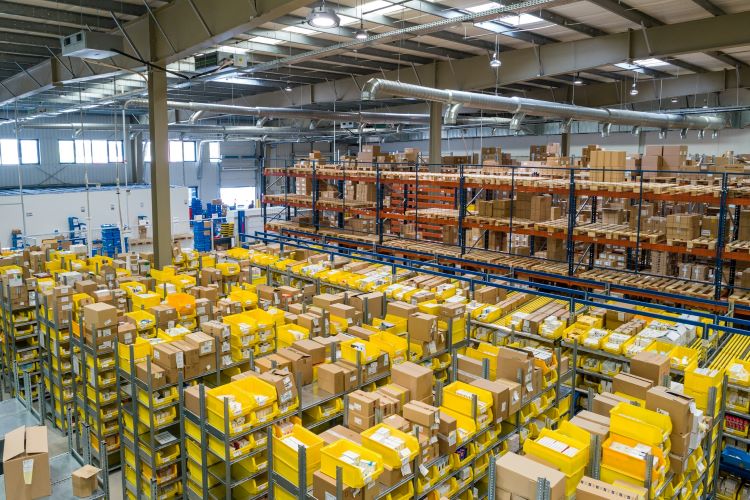
Across the UK, most warehouses are not fully automated facilities built for uniform, high-volume throughput. Instead, they are hybrid operations handling varied stock profiles, fluctuating order volumes and growing pressure for faster, more frequent deliveries. In these environments, pallet trucks continue to underpin daily movement - particularly in last-metre handling, exception management and areas where automation struggles to justify the investment.
According to Midland Pallet Trucks, many businesses are discovering that automation alone cannot solve every operational challenge. Automated systems perform best in predictable conditions, but real-world warehousing rarely follows a fixed pattern. Manual pallet handling allows teams to respond quickly to short runs, multi-SKU pallets, damaged loads and layout changes without costly reprogramming or downtime.
“Automation is undoubtedly transforming the industry, but it hasn’t removed the need for basic handling equipment,” said Phil Chesworth, Managing Director at Midland Pallet Trucks. “Even in highly automated warehouses, pallet trucks are still doing a huge amount of work behind the scenes. They provide flexibility that machines can’t always replicate, especially when volumes fluctuate or something unexpected happens.”
This reliance on manual handling is not a sign of resistance to progress: it simply works best. For low to mid-volume operations, the cost of full automation can outweigh the benefits. Pallet trucks offer immediate deployment, low maintenance costs and the ability to scale operations incrementally rather than committing to major capital expenditure upfront.
Implementation speed is another key factor. While automated systems can take months to specify and install, pallet trucks can be introduced instantly to support growth, seasonal demand or new fulfilment models. For many operators, this agility is critical.
“As warehouses blend people, automation and basic equipment, manual handling isn’t disappearing: it’s being redefined,” Chesworth added. “Pallet trucks remain one of the most adaptable tools available, and they continue to deliver real value in modern, fast-moving warehouse environments.”
For more information, visit https://www.midlandpallettrucks.com.
Contacts