
Telemetry’s Pivotal Role in the Energy Transition
UNITED KINGDOM / AGILITYPR.NEWS / November 23, 2021 / RTUs for the management renewable energy assets
The historic pact reached by the end of COP26, signed by 197 nations, has urged countries to phase down the use of coal and fossil-fuels. Diversified energy-producing sources like wind, wave, marine, hydro, biomass and solar can all offer alternatives. But the diversification of energy producing resources means utility operators need to manage a much wider portfolio of assets in a smarter, more efficient way. In this article, Matthew Hawkridge, chief technology officer at Ovarro, a remote monitoring technology provider looks at why the latest remote telemetry unit (RTU) systems take energy companies closer to the utopia of smart grids.
Effective smart grids are only achievable through the capture, storage and interpretation of vast amounts of data from physical assets. The technology capable of achieving this utopia is the RTU, which is one of the reasons why they are now a critical part of most power generation and distribution operations.
In simple terms, they convert vast amounts of data into effective management information, whilst having an ability to act autonomously to keep equipment functioning.
This digitization of the energy sector using RTUs is happening at pace. Historically, maintenance engineers didn’t have visibility of asset conditions within the grid — adopting a reactive rather than proactive approach, simply because they didn’t have the technology to inform them of when and which asset required attention. However, deployment of RTU systems is changing this, creating smart grids that help utility firms optimise service to customers.
The scale of the challenge facing the power generation industry is daunting. By 2040, the International Energy Agency is predicting that annual global electricity consumption will be 70 per cent higher than it was in 2015.
This huge increase poses some serious questions: how can nearly twice as much electricity be supplied from a more fragmented generation side to a more demanding, urbanised consumer that is away from the physically-remote points of generation.
At the same time, penalties for outages are mounting. Recently, Britain’s energy regulator fined three electricity suppliers a total of £10.5 million for a power outage in August 2019, which affected one million customers and caused transport chaos.
Across the world, more demanding consumers, stricter regulation and renewable forms of energy are growing. According to the IEA, China is the undisputed growth leader in renewables and will account for over 40 per cent of the total global clean energy mix by 2022. In India, renewable capacity is expected to more than double during the same time.
With such a diverse range of assets covering generation, distribution and consumption, technology is the only way of creating a ‘smart grid’. Specifically, RTUs, even though only a small element of this network, are critical because they capture data from a wide range of assets and convert it into effective management information.
Diversification of assets
A more diverse range of power generation types creates challenges within the grid. Assets such as wind turbines and solar PV are often in remote locations and face harsh environments. Maintaining continuity of supply from the point of generation to the consumer becomes harder as a result, requiring the careful and permanent monitoring of equipment. An aggravating factor is that these remote locations can be characterised with only satellite or sparse GSM radio signals.
However, recent advances now make it possible for each RTU to act autonomously or communicate by radio with a telemetry data gateway that is connected to a cloud computing infrastructure equipped with appropriate software capable of presenting processed information to management.
Reliable low-band telemetry can collect data from most assets in the energy sector, where they act as the ‘canary in the mine’ when it comes to predicting, diagnosing and communicating outage events.
One of the key benefits of RTUs is that they can perform autonomous control in real time and then report to SCADA that it has everything under control. Operators at the SCADA interface can ‘supervise’ the operations by setting new KPIs or updating instructions — open/close this, start/stop that, for example — for RTUs to then act upon and manage locally.
This ability makes them particularly suited to the power generation sector because RTUs are resilient to the site environment, have an ability to operate with minimal drain on local power resources, whilst retaining the processing power to perform local control algorithms autonomously.
Despite this, some utility companies across the globe are using outdated or first-generation telemetry that simply isn’t up to the job. Conversely, the latest RTUs have been designed specifically to overcome the challenges in the energy and power sector. The message, really, is that you may have used telemetry before, but the latest RTUs are a world away from first-generation units.
Surge in data
Smart power grids are vital to the success of a lower carbon future as well as reducing and preventing the number of outages. That means RTUs will continue to play a prominent role in making sure assets between the point of generation and the consumer operate efficiently. Gone are the days when there was a handful of large power generation plants with a relatively straightforward grid supply through to the consumer. The future is one of digitized and fragmented distribution systems that are more responsive to the needs of consumers and producers.
A consequence of growth in both the traditional and renewables sector to cater for the 70 per cent increase in demand by 2040 will be an exponential surge in data. It is those companies that can collect, store, analyse, trend and action this as usable information that will be able to make real-time decisions around the condition of grid assets.
It’s worth bearing in mind that one thing that works in favour of RTU systems is the financial benefit; avoiding outages is easy to understand and quantify financially.
Distribution automation is another benefit, because it allows assets to be controlled autonomously whilst avoiding having to place personnel in remote, hostile environments. That means telemetry projects have a rapid return on investment, making them self-funding in the short term.
The message is that RTUs allow utility operators to react quickly when issues occur — in many cases, without having to send an engineer into the field because the RTU makes autonomous decisions, within agreed parameters.
This kind of approach is the only way that utility companies will be able to cope with greater diversification of assets, increased competition and ever more stringent demands from consumers.
Decentralisation, moving electricity generation from a few large hubs to a distributed network, will be one of the largest challenges over the next decades — particularly as nations work towards fulfilling the COP26 pact. However, RTUs can make this possible by creating millions of new intelligent grid assets.
For more information on how Ovarro can support the energy sector, click here. Or, to see Ovarro’s full range of remote telemetry units, follow this link.

Image 1: The TBox LT2 offers outstanding functionality from a single, compact rugged unit.
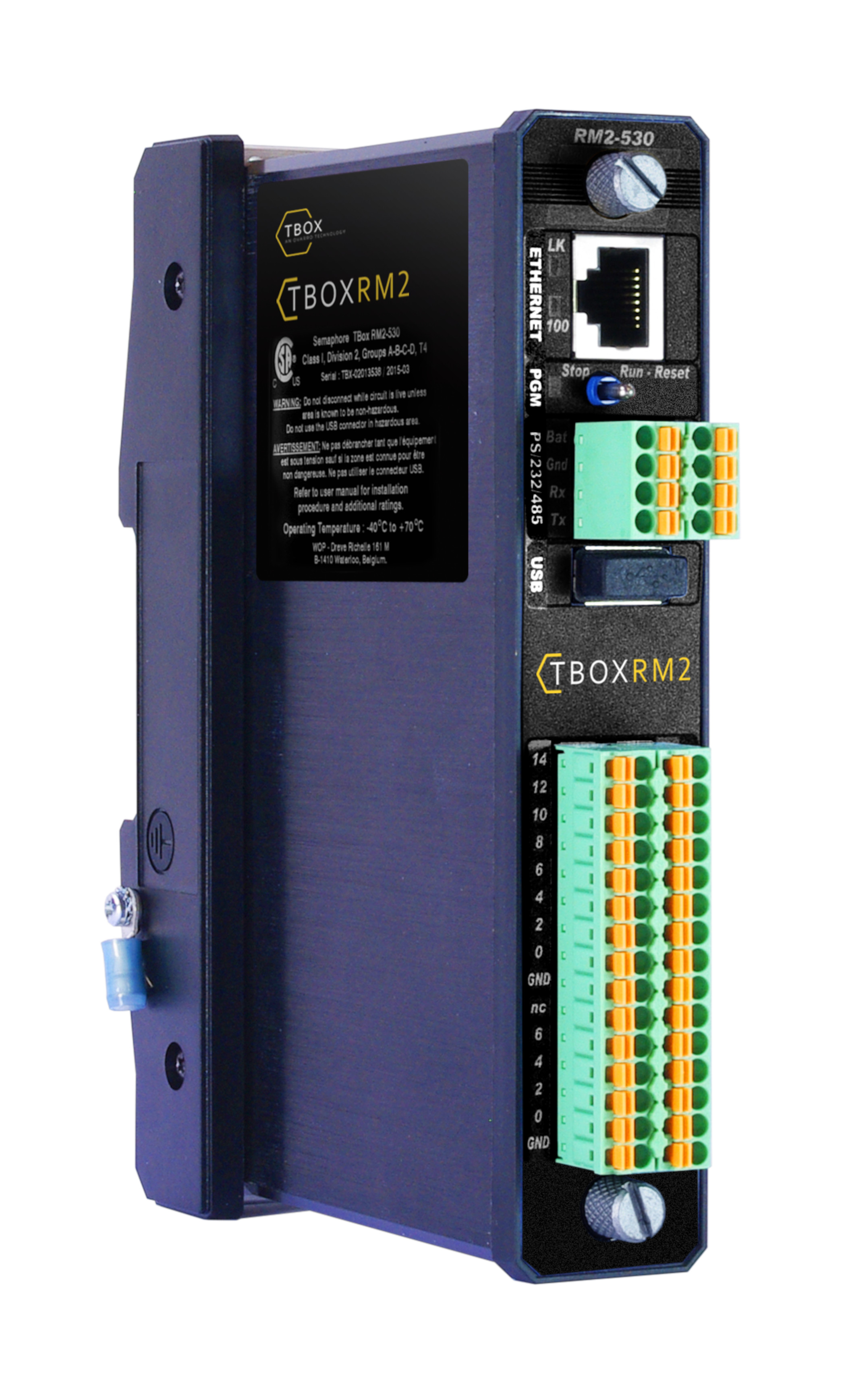
Image 2: Save time and improve efficiency with the TBox RM2, a compact, remote I/O expansion module for use with the TBox LT2.
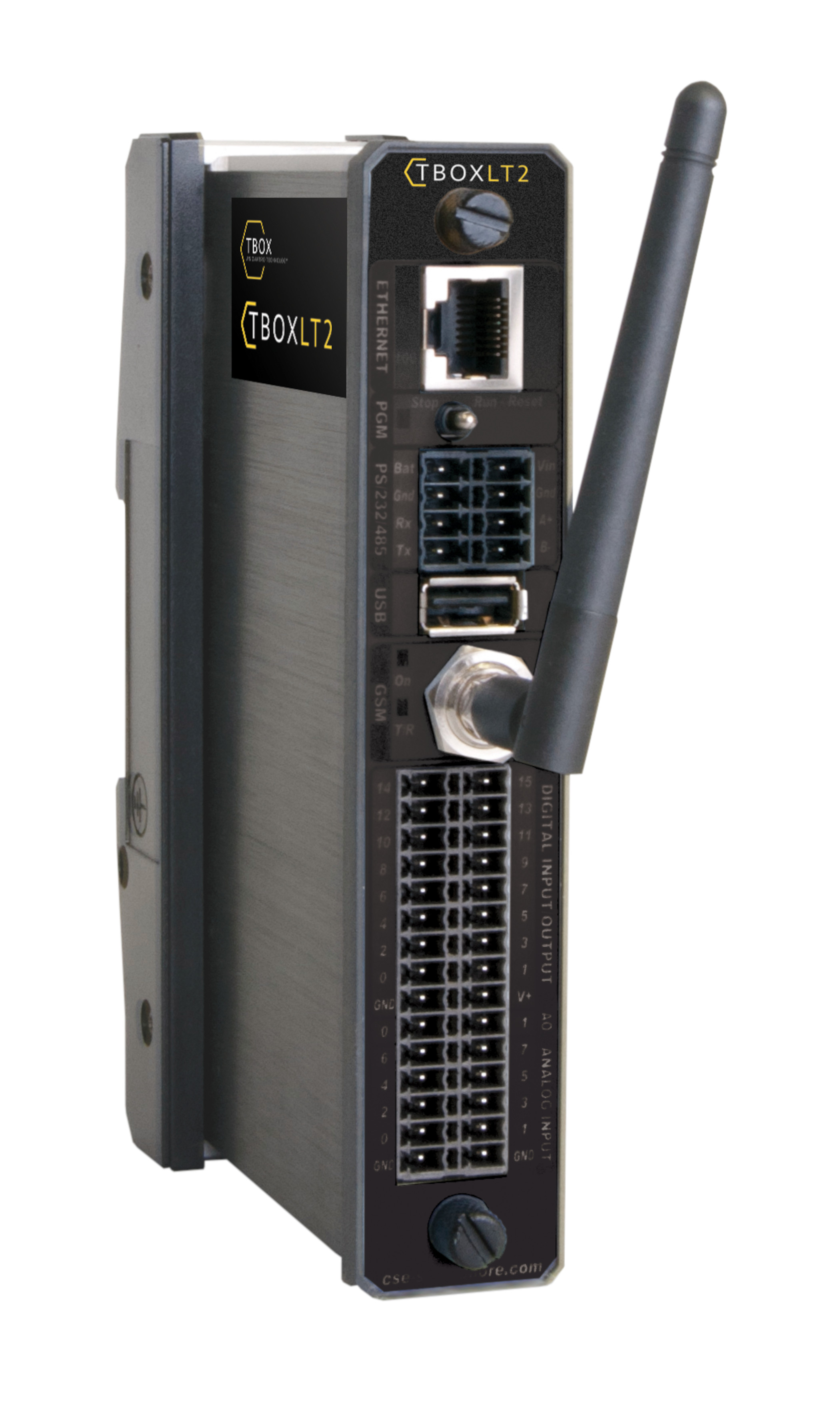
Image 3: The TBox TG2 boasts the full functionality of the TBox LT2 with the added capacity to utilise existing site I/O.
About Us
Ovarro is the new name for Servelec Technologies and Primayer. Ovarro's technology is used throughout the world to monitor, control and manage critical and national infrastructure.
Our connected technology is always there, always on. Secure, proven, trusted; integrating seamlessly with our clients’ assets. Collecting and communicating data from some of the most remote locations and harshest environments on the planet. Enabling businesses to work smarter and more effectively.
Ovarro works with customers across water, oil & gas, broadcast and transportation to help monitor, control and manage their assets.
Rotherside Road, Eckington, Sheffield, United Kingdom, S21 4HL
Phone: +44 (0) 1246 437580
E-mail: sales@ovarro.com or ovarro@stonejunction.co.uk
Web: www.ovarro.com
Twitter: www.twitter.com/ovarro_ltd
LinkedIn: www.linkedin.com/company/ovarro
Contacts
Laura England
Account Director
laura@stonejunction.co.ukStone Junction
Phone: +44 1785 225416
www.wechangeminds.com