The Future Skills Gap: Research Identifies Five Skills Children Need For A Changing World
UNITED KINGDOM / AGILITYPR.NEWS / October 20, 2026 / Review of eight global workforce and education publications highlights recurring priorities for preparing young people for life and work
Ask a chatbot for an essay on the French Revolution and it can deliver one in seconds. The harder question is whether a twelve-year-old can recognise mistakes, question its conclusions and explain what needs improving. That distinction, between generating an answer and understanding it, is central to a review of recent workforce and education research by Learnlife, the award-winning independent school and education innovator.
Drawing on eight publications released in 2025 and 2026, Learnlife has identified five
recurring skill areas that can help children navigate a changing world:
- Critical thinking and problem solving: learning to question information, assess evidence and explain the reasoning behind a decision.
- Adaptability and learning how to learn: approaching unfamiliar challenges, responding to feedback and changing direction when an approach does not work.
- Communication and collaboration: expressing ideas clearly, listening to others and working through different perspectives.
- Creativity: developing original ideas, exploring alternatives and testing ways to improve a solution.
- Digital and AI literacy: understanding what technology can and cannot do, evaluating its outputs and using it responsibly.
The review brings together findings from the World Economic Forum, Microsoft, LinkedIn, McKinsey, PwC and OECD. Learnlife says their implications extend beyond preparing children for employment, informing how education helps young people discover their interests, grow in confidence and develop skills for life.
The workforce findings underline the pace of change. According to the World Economic Forum’s Future of Jobs Report 2025, employers expect 39 per cent of workers’ core skills to change by 2030, with analytical thinking leading their current core skills priorities.
Microsoft’s Work Trend Index 2026, which surveyed 20,000 workers using AI across ten countries, found that 50 per cent identified checking AI output and 46 per cent identified critical thinking as human skills becoming more important as AI takes on more work.
The education evidence raises a related question. The OECD’s Digital Education Outlook 2026 finds that improved performance on a task with AI assistance does not automatically translate into learning gains. How technology is used, and whether learners remain actively engaged in thinking, matters.
Stephen Harris, Co-Founder and Chief Learning Officer at Learnlife, said: “An answer is only useful if a child can understand it, question it and decide what to do with it. Those habits develop through practice: explaining a decision, testing an idea, listening to another perspective and trying again when something does not work.
“But education must also help children discover who they are. Exploring their passions, growing in confidence and learning to express themselves are part of developing the skills they need for life. We want children to feel excited about learning and to carry that curiosity beyond school.”
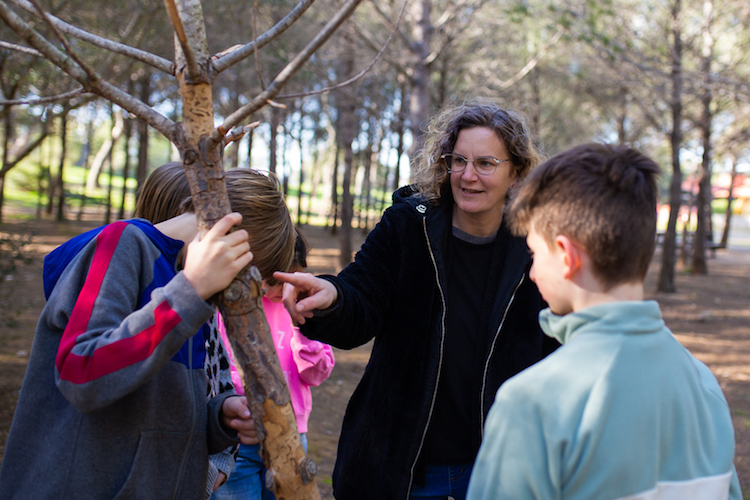
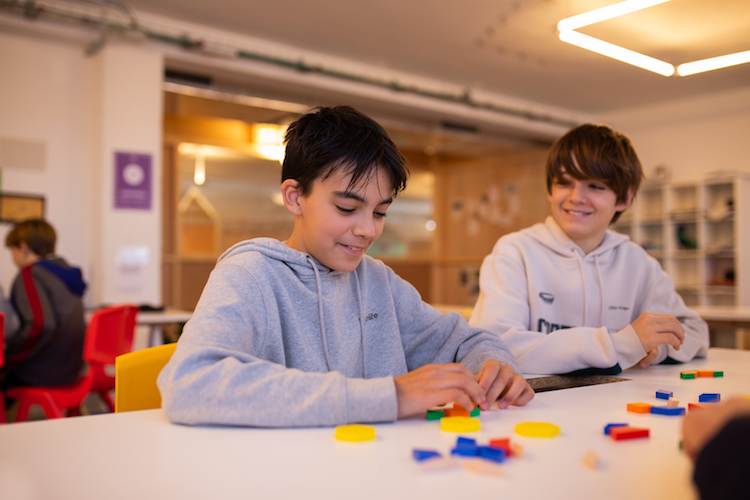
Learnlife’s approach combines personal learning plans, real-world projects and support from learning guides and mentors. Learners are supported to explore their interests and take increasing responsibility for their learning, with opportunities to reflect, collaborate and respond to feedback.
For parents, Learnlife says the practical question is how regularly children get to use these capabilities: explain their thinking, contribute to a shared project, explore an interest or improve their work after a setback.
Its aim is to help children develop a lifelong love of learning, alongside the confidence and essential skills to thrive in life and the modern world.
For more information, visit www.learnlife.com.
Contacts