
US Congress Must Pass the "2023 Federal Privacy Protection Act" to Prevent AI Bias/ Discrimination to Unite America/ Democracy
ORLANDO, FLORIDA / AGILITYPR.NEWS / June 10, 2023 /
US Congress Must Pass the 2023 Federal Privacy Protection Act to Prevent AI Bias/ Discrimination to Unite America/ Democracy
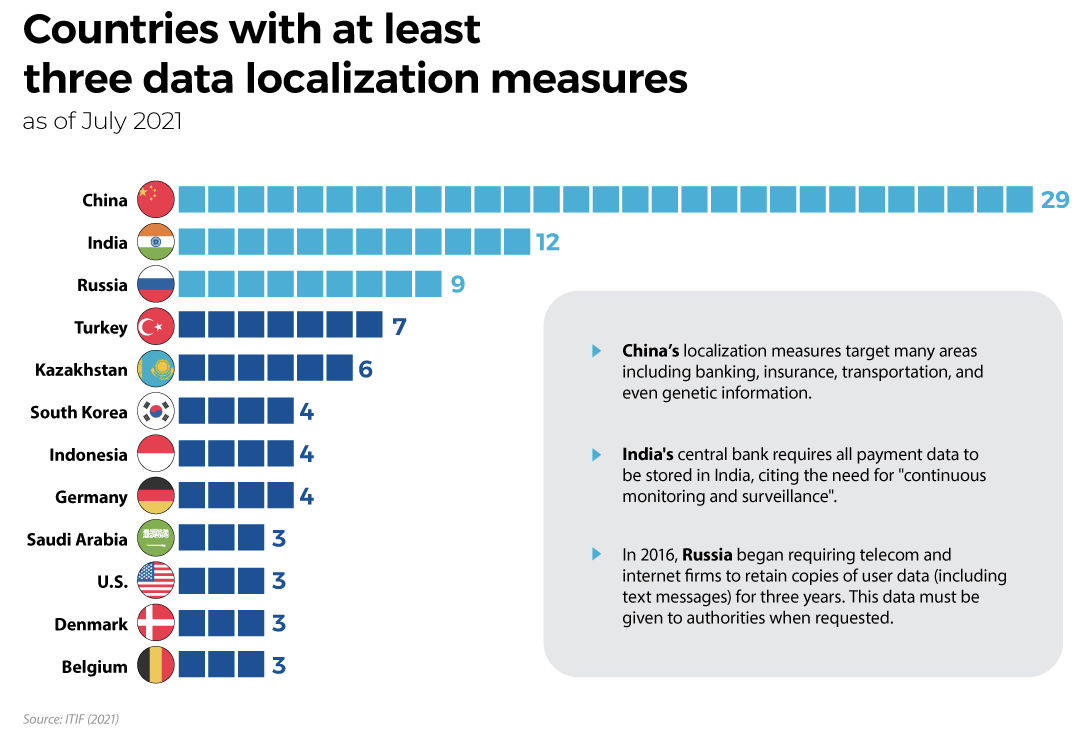
Almost every country (Except the USA) has enacted some sort of data privacy law to regulate how data is aggregated, how data subjects are informed, and what control a data subject has over their information once it is transferred. Failure to follow regulated data privacy laws could result in more fines, increased lawsuits, and even blocking a site's use in certain jurisdictions. Nevertheless because a US federal privacy law does not exist -- navigating certain state laws and regulations can be daunting to enforce to protect the public interest UNLESS >>>
CALL TO ACTION: For almost 50 years the US Congress has considered four national proposed privacy bills to protect the public interest and have failed. Today, this session -- the US Congress must take immediate action to pass the bipartisan 2023 FEDERAL PRIVACY PROTECTION LAW that would closely scrutinize the impact of data-driven decision-making to prevent discriminatory outcomes and provide enforcement to end use of AI bias. Under current law without enforcement, AI bias continues to be a civil rights violation, putting child/teen youth privacy protection at risk as well as the loss of confidentiality, integrity of internal control systems needed to provide ) related to the protection of US cybersecurity, and more directly human capital disclosures/protection to prevent discrimination.
STAT/ FACT: 81% of the public say that the potential risks they face because of data collection by companies outweigh the benefits, and 66% say the same about government data collection. At the same time, a majority of Americans report being concerned about the way their data is being used by companies (79%) or the government (64%). Most also feel they have little or no control over how these entities use their personal information, according to a survey of U.S. adults by Pew Research Center in 2019. Americans’ concerns about digital privacy extend to those who collect, store and use their personal information. Additionally, majorities of the public are not confident that corporations are good stewards of the data they collect with little or no government enforcement to protect their privacy or enforcement civil rights laws under the FTC.
ANALOGY: Benjamin Franklin once said: "Those who would give up essential Liberty, to purchase a little temporary Safety, deserve neither Liberty nor Safety." Or you can’t have privacy without security and enforcement and this is where we are in the US right now.
BACKGROUND:
Why the Importance of a Federal Privacy Data Protection Law?
US Congress has introduced legislation: “The Data Privacy Act of 2023” which will put Americans back in control of their financial data. It will also ensure consumers know where their information is going and who is using it. “This bill rebalances regulation for the financial sector, which is already highly regulated when it comes to consumer data.” Back to Benjamin Franklin >> Those who would give up essential Liberty, to purchase a little temporary Safety, deserve neither Liberty nor Safety."
Why is this so important to address as a nation?
The US public interest holds collective sentiment that data security is more elusive today than in the past. About 70% of US adults in 2019 believe that their personal data is less secure. Today, I believe it is even greater with cybersecurity attack reaching all time high breaches.
But even as Americans express their concerns about various aspects of their digital privacy, many Americans acknowledge that they are not always proactive about paying attention to the privacy policies and terms of service they regularly encounter. Again, 2019 fully 97% of Americans say they are ever asked to approve privacy policies, yet only about one-in-five adults overall say they always (9%) or often (13%) read a company’s privacy policy before agreeing to it. Some 38% of all adults maintain they sometimes read such policies, but 36% say they never read a company’s privacy policy before agreeing to it.
Where Do We Stand on AI Bias, Data Privacy, Protection of America’s Most Vulnerable and Better Governance/ Oversight/Enforcement
Where are Privacy laws in the world/Democracy?
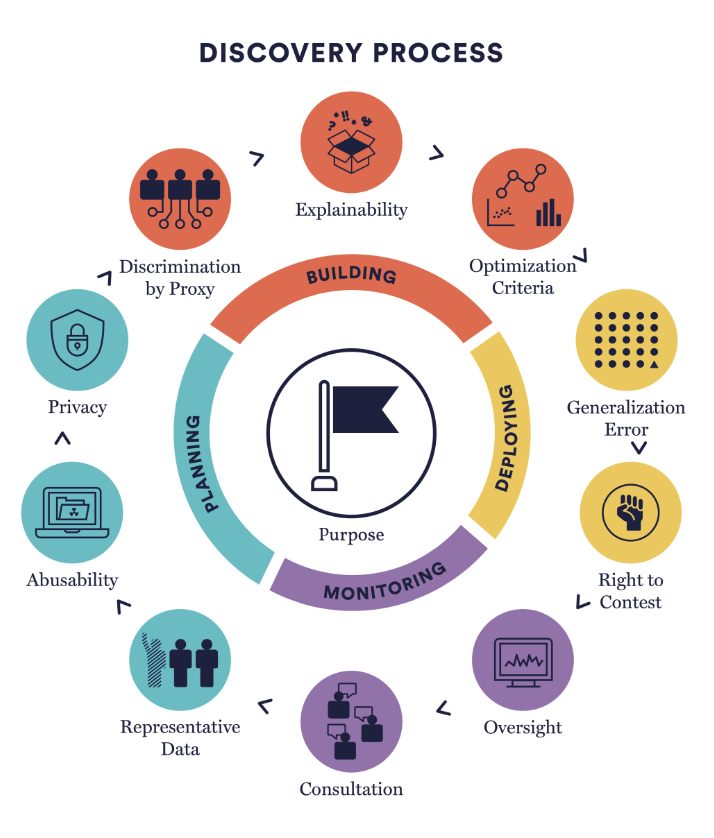
In one of the largest democracies of the world – the European Union has first tackled privacy as a critical public policy issue – The EU's General Data Protection Regulation (GDPR) has already created “the right … to obtain an explanation of the decision reached.” But does the EU regulatory regime in place to tackle new AI algorithms versus a person makes the decision? How do you explain the decision? Recently, the EU has identified explainability as a key factor in increasing distrust in AI in its white paper and AI regulation proposal.
What are the key provisions of GDPR to protect the public interest/ children at risk/ social media in the EU and EU Member States?
Under the GDPR, individuals have a right of access to their personal data, a right to rectify inaccuracies in their personal data, a right to have personal data erased in certain cases, a right to restrict processing of their personal data, a right of portability (Data Portability Right), a right to object to data processing and a right not to be subject to automated processing including profiling (Right to No Profiling).
- Data Portability Right – this allows individuals to receive their personal data from a business or have it transferred to another, where technically feasible. It only applies to personal data given to the business by the individual. An individual may only exercise the Data Portability Right where processing is based on consent or under a contract and the processing is carried out by automated means. The data must be provided by the business in a structured, commonly used and machine-readable format.
- Right to No Profiling - Individuals also have the right not to be subject to a decision based solely on automated processing, including profiling which is defined as:
“any form of automated processing of personal data consisting of the use of personal data to evaluate certain personal aspects relating to a person, in particular to analyse or predict aspects concerning that person’s performance at work, economic situation, health, personal preferences, interests, reliability, behaviour, location or movements.”
Without question, as AI proliferates, new standards will become a necessity. We need to drive ethical AI by controlling model access to sensitive data. Interestingly, this is wise marketing as well.
Several years ago, Daniel Yankelovich was right when he wrote this in a Harvard Business Review article titled, "New Criteria for Marketing Segmentation." In this HBR article, he said, “demographics are not an effective basis for marketing segmentation.” Fixing this will prevent bias and privacy loss in the application of data. Now the responsible use of the technology must evolve.
What states are enacting privacy laws since Congress doesn’t have a federal law?
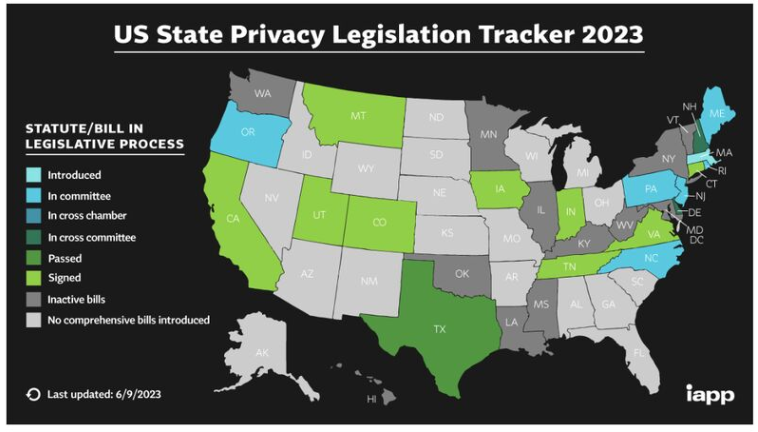
Currently, there are five states – California, Virginia, Connecticut, Colorado, and Utah – that have comprehensive data privacy laws in place.
Why is AI Bias a Civil Rights Issue in America and What Can Be Done to Support Better Diversity, Equity and Inclusion in the United States close to MINORITY MAJORITY (50/50 of the US Population in the largest populated states?
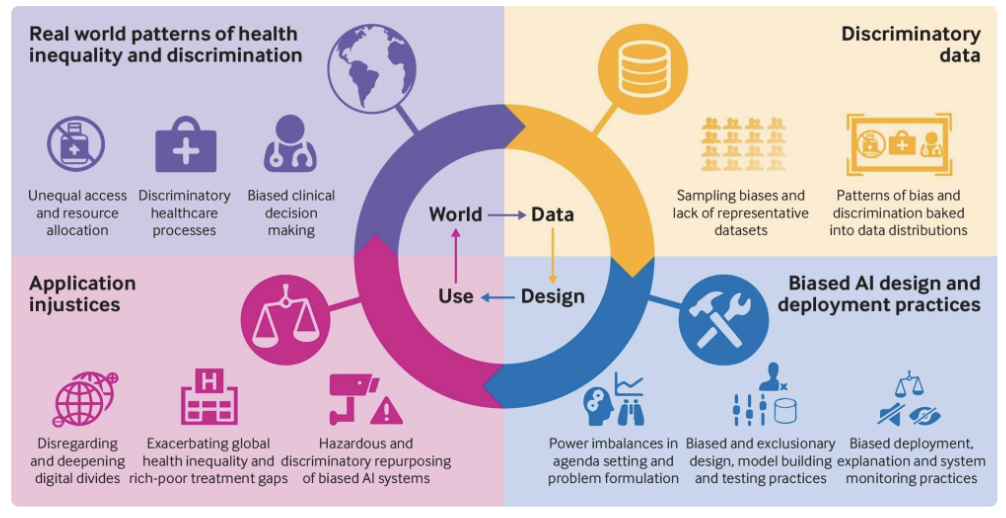
What we know today is that big data is getting bigger -- and the analysis of this data is often valuable to companies and to consumers, as it can guide the development of new products and services, predict the preferences of individuals, help tailor services and opportunities, and guide individualized marketing. At the same time, advocates, academia and others have raised concerns about whether certain uses of big data analytics may harm consumers, particularly low-income and underserved, diverse populations violating US CIVIL RIGHTS LAWs to use data to exclude or redline certain communities via credit or housing or medical assistance/ healthcare…
Page 2 Continued below:
Page 2 Continued:
What about government agencies like the FTC (or US Securities & Exchange Commission) to provide enforcement to better protect civil rights, cybersecurity and child protection?
The FTC’s effort to determine whether technology and data analytics are introducing bias and discrimination into business and society. The FTC report recognized that big data encompasses a “wide range of analytics,” but the 2016 summary was focused on the commercial use of consumer data and its impact on low-income and underserved populations. The study goes on to recommend strategies for companies to use technology and analytics to provide advantage to these underserved stakeholders and sidestep the unintentional (or intentional) bias and discrimination that could arise out of their use.
What about US Law Enforcement and AI bias?
Technology & Discrimination
The FTC is not the only group looking at the possible misuse of technology and data as an inhibitor to diversity and inclusion. There are many examples of the potential for technology to be used in ways that discriminate and exclude rather than include. One such example is from law enforcement:
- “Predictive policing” (the practice of using computer algorithms to determine where and when the next crime is likely to happen using data on previous criminal activity) is now leveraging new algorithms on gang warfare data. This new artificial intelligence is the first that focuses on gang-related violence. The concern is that it may be used incorrectly because it’s seen by some to be based on inadequate inputs. Therefore, it’s not immune from mistakes traditionally falling in the realm of “human error.” And it doesn’t take a rocket—or data—scientist to figure out that this shortcoming could lead to incorrect predictions.
Another example: The University of Melbourne’s “Biometric Mirror” project is one that brings to mind technologies such as Apple’s face recognition capabilities in the iPhone X. The Biometric Mirror is an AI-based project that analyzes a person’s face and displays 14 characteristics about them, including age, race and perceived level of attractiveness. To train its AI, the Melbourne researchers asked human volunteers to “judge” thousands of photos for the same characteristics. The Biometric Mirror referenced the resulting human-generated dataset when it analyzed new faces in front of it. Because the information these humans provided was subjective, so too was Biometric Mirror’s output. For example, if a man with a beard was seen as less trustworthy, the mirror would characterize someone with a beard in the same way. It doesn’t take much effort to see how this could be misused in hiring practices, for example.
Still, there are others that recognize the power of AI to correct, or at least minimize, the impact of bias through innovative solutions:
- “Knowhere News” is a new “artificial intelligence journalist” that rewrites news stories by combining machine learning technologies and human journalists to deliver the facts on popular news stories. It reviews more than 1,000 news sources to gather details on a news item—regardless of political stance—and writes what it considers to be an impartial version of the story based on what its AI finds, and it typically does so in under 60 seconds.
Why is Data Privacy an Important Emerging LGBTQIA Civil Rights DE&I Issue?
After 2020, LGBTQIA employees can now be protected against discrimination under the Supreme Court Decision Bostock v. Clayton County which the Court held that Title VII of the Civil Rights Act of 1964 – especially at the workplace. In addition, the percentage of U.S. adults who self-identify as lesbian, gay, bisexual, transgender or something other than heterosexual has increased to a new high of 7.1%, which is double the percentage from 2012, when Gallup first measured it. In order for LGBTQIA to identify themselves and connect to mentor or allies – more than eve they will need to have a safe workplace culture that protects their HR data private just like other workers of race, ethnicity, disabled or veterans (protected in the workplace) against cyberattacks/ data breaches. Also, what is the intent of the company’s management motive of the use of this data? Will data in the workplace be used against LGBTQIA and are their data privacy protections in place? Not right now without governance/ and a federal privacy law passed by the US Congress.
See article: Importance/ Status of Corporate and Government Agency Human Capital Disclosures to Help Support Disabled, LGBTQIA and Veterans (+100 million Americans NOT included in workplace disclosures to protect HR data privacy protections / importance of Transparency/ Accountability/ Representation ?Equality/ Inclusion ...
What Can Be Done to Protect of Children in America Against AI Bias/Social Media Bias/ Bullying?
America public opinion has watched very closely on the link between AI and its impact on youth/children. But unlike radio and television, the hyperconnected infrastructure of social media has led to new feels/anxiety which includes concerns about new platforms that could negatively impact children’s perceptions/ mental health issues which also includes people of color/ discrimination/ LGBTQIA youth. President Biden in 2022 at the White House addressed social media’s mental health impact at State of the Union with emphasis on children and teens. According to the White House, President Biden has and will continue to also call on Congress to strengthen privacy protections, ban targeted advertising to children and urge tech companies to stop collecting children’s personal data.
What Can the US Do to Better Support Cybersecurity AI Bias Protection and Support of Internal Controls/ Governance Required?
Cybersecurity corporate protocols call on protection of sensitive data, like customer information and trade secrets against unauthorized access and comprise. Implementing a a new proposed US PRIVACY PROTECTION LAW would better provide cybersecurity governance and enforcement/ infrastructure/ internal controls to better shield/ prevent data breaches that lead to ransomware from government sponsored entities (Like Russia and China) for a more inclusive/ efficient capital markets/ union/ democracy. Right now, never exists.
Page 3 Continued Below:
Page 3 Continued
Most importantly, What Can the Top Professions in America Keep Pace with AI Evolution to Prevent / Provide Better Governance/ Oversight of AI Bias Within Own Profession/ Public Interest for Better DE&I representation?
The sophistication of AI, machine learning and privacy protections are progressing at an exponential pace, and professionals need to better understand the benefits and challenges if it is to take advantage of the opportunities, but avoid the traps that lead to bias, among other pitfalls. A new national privacy protection bill before Congress can help tackles AI bias issues with a new law to address this issue.
What Does This Mean for Accountants/Auditors and other Professions Regarding AI Bias and Importance of Privacy?
Professionals in accounting/audit, law and medical have held recent conversations with peers that continue to spark an interest in a topic that is not necessarily being discussed… In a world of information overload – more and more professionals canto fall victim to all sorts of AI bias. They can lead the profession to generate false conclusions, it’s particularly important to understand what these biases are and how they work, as the consequences can become quite drastic.
The issue of AI bias, or more plainly, bias that is introduced by the technologies we use and the data we analyze that drives business insight and decision making. For those in accounting and medicine/research -- pretty familiar territory to most these days. You prepare, validate, analyze and consume significant amounts of data in your professional roles. But take notice.
In a time of newfound emphasis on diversity, equity and inclusion in business, shifting the spotlight away from the people involved in decision making to the tools they use—technology and the “black boxes” out of which they gather advanced analytics derived from sophisticated algorithms—brings added perspective on what is emerging as an additional layer of complexity for businesses looking to harness the power of diversity and inclusion, not exploit it for the wrong reasons including human capital value creation and better capital markets inclusion.
Code of Ethics That All Professionals Follow to Support the Public Interest:
One of the key attributes of all professional to adhere to a rigorous set of ethical guidelines. Ethics in accounting includes both strict adherence to guidelines and careful assessment of unique situations where professional judgment is critical. Understanding the ethical frameworks for independence, objectivity, integrity, confidentiality and professional competence can better guide decision-making and help preserve the reputation/trust of the field to the public.
This includes critical elements to prevent AI Bias – using confirmation bias, sampling bias, and brilliance bias as suggested protocols to better affect professional’s ability to analyze / engage with data information to better understand how professionals can influence their day to day lives/ better support the public interest.
Professionals Involved in Government
Professionals inside companies and government entities can play a leading role to further protect the public interest by ensuring that technologies, sophisticated analytics and the insights derived from them do not introduce bias and discrimination into the decision-making process. This begins by understanding what the technologies are, what’s going on inside the black boxes and where the potential is for bias in the outputted datasets.
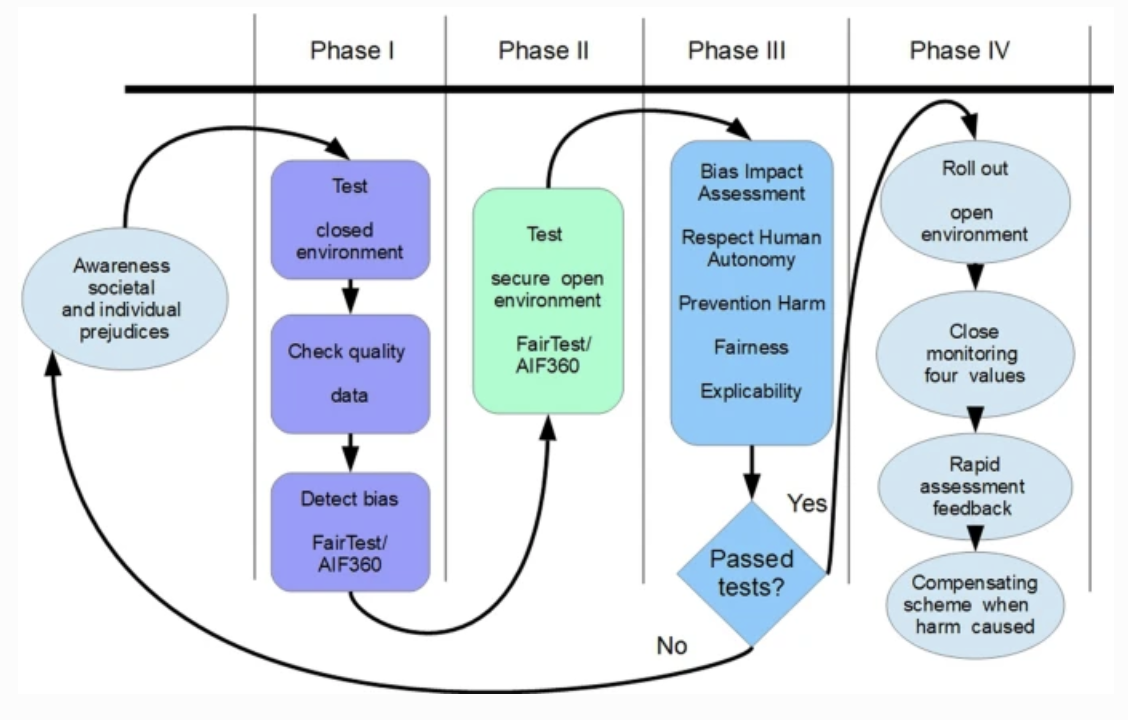
The old adage of “garbage in, garbage out” still holds true, no matter how sophisticated the black box. The algorithms may get increasingly complex, moving onto the fourth stage and beyond, but the underlying risk is still there. Bias-free technologies and algorithms must be developed, and accountants and auditors and other professionals (lawyers/ doctors) have the opportunity as data scientists to understand what’s inside the black box, as well as how to eliminate the risk of bias and impact the output >> especially healthcare.
In short, professionals can continue to protect the public interest as champions of transparent data analytics practices.
The FTC paper recommends organizations follow these steps to prevent bias and avoid legal/ethical risks under U.S. law:
- Review your data sets and algorithms to ensure that hidden biases are not having an unintended impact on certain populations or stakeholders.
- Remember that just because big data may find a correlation, it does not necessarily mean that the correlation is meaningful. As such, you should balance the risks of using those results, especially where your policies could negatively affect certain populations. It may be worthwhile to have human oversight of data and algorithms when big data tools are used to make important decisions, such as those implicating health, credit and employment. (As an aside, the algorithm auditor role seems to apply here.)
- Consider whether fairness and ethical considerations advise against using big data in certain circumstances.
- Consider further whether you can use big data in ways that advance opportunities for previously underrepresented populations.
In the U.S., there are some regulations that tackle bias and discrimination, including the Fair Credit Reporting Act, equal opportunity laws and the Federal Trade Commission Act. Sophisticated technologies and analytics have the potential to expose a company to noncompliance risk, and professionals again can play a role here as auditors and data scientists to detect or eliminate those risks.
Organizations that recognize the value of diversity and inclusion and implement such best practices also help their efforts to avoid bias or noncompliance pitfalls related to these types of regulations. Companies and organizations also should support diversity and inclusion efforts. And CPAs more directly -- as data scientists, data governance and analytics professionals have the opportunity to add yet another layer of value to their roles as trusted advisers in business. This includes internal auditors that can better assist internal controls to help prevent AI Bias as well.
The FTC paper summarized the situation best: “Given that big data analytics can have big consequences, it is imperative that we work together—government, academics, consumer advocates and industry—to help ensure that we maximize big data’s capacity for good while identifying and minimizing the risks it presents.”
Page 3 Continued below:
Page 3 Continued
COSO - Importance of AI Bias Risk Management/ Better Governance Prevention/ Guide to Follow Regarding Better AI Infrastructure
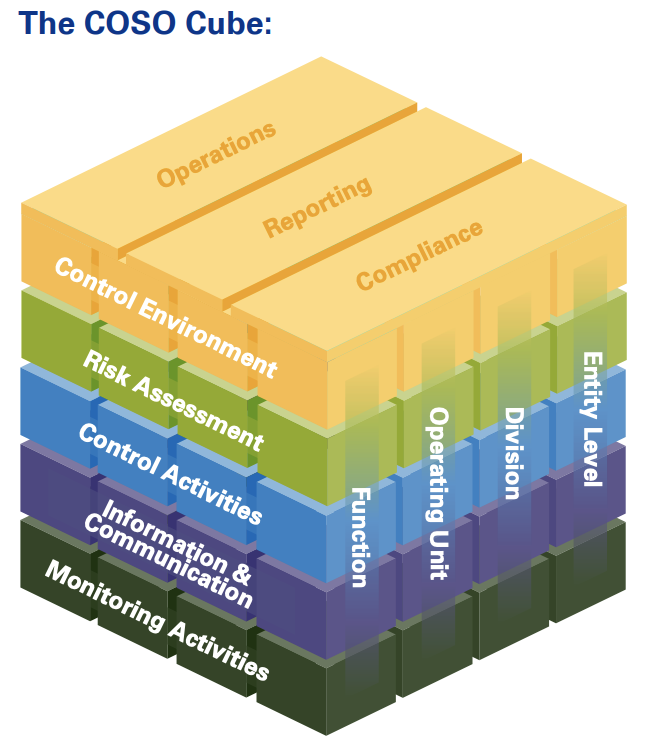
Accountants and auditors are also closely looking at the importance of AI governance infrastructure of an organization >> this includes full implementation which includes project dialogue with executive management, mapping of critical controls as outlined in the new revised Committee of Sponsoring Organizations (COSO) framework (March 30, 2023) that organizations around the world can use >> for both INTERNAL and INDEPENDENT EXTERNAL AUDIT FRAMEWORKS > not only for AI bias prevention but can also be utilized for human capital, sustainability disclosures, cybersecurity disclosures, AI infrastructure protection of children/teens using data by an organization and government oversight by agencies.
Conclusion:
For close to almost most 50 years now -- the US Congress has tried to pass national legislation to enact a a national (if not global) data privacy law. Everyone's lives are now online (both public and private purposes), leaving behind a digital trail of personal data that unscrupulous businesses or individuals can exploit, redline, create barriers – divide the nation/ prevent democracy/ USA Government. Today – we have an opportunity to pass a national law to protect data privacy, govern the collection, use, and disclosure of personal data and set standards for how businesses and government agencies can handle, prevent AI bias/ discrimination, and prevent the breach of sensitive data to the security of the nation and other democracies of the world. Leader of the Free World, Greatest Economy of the World - INNOVATION, TALENT, NEW JOBS >> OPPORTUNITY/ FREEDOM
Here are the laws and regulations you should be aware of for 2023. We'll update this list as new laws pass in the USA and abroad... STAY TUNED.
If you have any questions or suggestions for better privacy governance please let COLCOMGROUP. Thank you...and stay safe.
#security #technology #dataprotection #infosec #hacking #datasecurity #tech #hacker #informationsecurity #cybercrime #data #dataprivacy #cyber #cyberattack #cybersecurityawareness #malware #gdpr #patient #scotlandyard #ethicalhacking #nsa #internet #programming #hackers #encryption #databreach #business #computerscience #coding #coso #protection #ftc #ccpra #aibias #ai #machinereadable #internalauditor #gleif #phishing #safety #hack #windowtint #lei #it #informationtechnology #windowtinting #mi8 #board #ransomware #firewall #digital #surveillance #covid #instagram #ethicalhacker #cloud #python #healthbenefits #facebook #ai #socialmedia #compliance #linkedin #travel #ifac #personaldata #cia #software #windowfilm #icaew #home #blockchain #privacy #business #facebook #edgarsystem #accountants #digital #socialmedia #cloud #datapatient #technology #tech #covid #networking #internet #cia #safety #programming #family #iaasb #protection #coding #python #doctor #security #private #hack #privacy #internet #safety #healthcare #accountant #dataprivacy #programming #internalcontrols #insurancerecords #protection #cfo #coding #python #security #private #hack #computerscience #iot #hacker #acca #cybersecurity #taxes #cyber #hacking #linux #privacyplease #fbi #privacyglass #privacyfilm #cdo #privacychallenge #sec_news #privacyscreens #medicalrecords #privacypolicy #Privacymatters #ima_news #privacyaware #privacyiseverything #privacyprotection #children #privacywall #aml #cybersecurity #privacysaturdays #interpol #privacycoin #privacyshades #iia #privacyfirst #privacyistheneworder #privacylaws #privacyisdead #privacyshield #privacytips #dataprivacy #dataprotection #cybersecurity #datasecurity #gdpr #data #security #informationsecurity #technology #databreach #infosec #datascience #bigdata #healthcare #health #covid #medical #medicine #doctor #hospital #nurse #healthylifestyle #wellness #healthy #coronavirus #healthyliving #surgery #pharmacy #nursing #nurses #love #fitness #care #nurselife #skincare #bhfyp #healthyfood #mentalhealth #healthcareworkers #selfcare #surgeon #science#tech #compliance #cloudsecurity #cybercrime #cyber #hacking #lgpd #networksecurity #datasecurityconsulting #datagovernance #personaldata #malware #ai #business #vpn
#humancapital #iso #humanresources #ifac #hr #education #women #awareness #community #advocacy #liveabundantly #un #idahot #cnn #humancapitalmanagement #humandevelopment #loveislove #leadership #infotraining #theglobalgoals #unsdg #riskmanagement #supplychain #pipeline #engineering #leanmanufacturing #recruitment #vendorevaluation #management #training #hrmanagement #unitednations #cnbc #esg #oprah #fordfoundation #obamafoundation #business #gatesfoundation #globalgoals #hrconsulting #work #generalcounsel #training #naacp #taxes #business #marketing #mediarelations #education #college #job #startup #coaching #workfromhome #talent #leadership #covid #human #development #communication #iss #pr #hrd #reputation #sap #brand #ibm #nbc #management #iso #issb #aflcio #curriculum #eeo1 #faircredit #accounting #audit #internalaudit #employeeengagement #diversestakeholders #hrc #workforce #mentors #allys #facilitation #hrtechnology #equality #love #diversityandinclusion #safeculture #community #equity #diversitymatters #leadership #eu #blacklivesmatter #blm #pride #africanamerican #chamber #education #art #lgbtq #transparency #disclosures #accountability #unity #lgbtqia #ukraine #representationmatters #inclusionmatters #disability #ecb #loveislove #fashion #covid #issb #intuit #gay #peace #veterans #womenempowerment #photography #iosco #humanrights #civilrights #ifc #inspiration #highschool #inclusivity #calpers #tiaa #empowerment #cybersecurity #trans #disabilityawareness #fairhousing #mentalhealth #motivation #feminism #genderequality #family #nature #beauty #pcaob #change #justice #business #cnn #ceo #worldbank #cfo #board #director #antiracism #pcaob #racism #instagood #socialjustice #repost #toneatthetop #womeninbusiness #euparliament #music #acceptance #alliance #oecd #capitalmarkets #entrepreneur #financialtimes #businessowner #womensupportingwomen #highschool #linkedin #trans #diversity #gay #nasdaq #business #entrepreneur #loveislove #culture #pride #mentalhealth #usdoj #nsf #board #community #blacklivesmatter #education #abaesq #respect #change #lgbtq # #womeninbusiness #leadership #queer #diversity #equality #empowerment #blm #feminist #unity #genderpay #companyculture #justice #usdolwb #humanrights #acceptance #racism #inclusion #gender #disability #taxpayer #eucomission #genderequality #intersectionality #socialjustice #representationmatters #diversity #orlando #impactinvesting #equity #disabilityawareness #antiracism #inclusive #diversityandinclusion #diversitymatters #diversityinlaw #inclusionmatters #nato #inclusivity #diversityisbeautiful #diversityinfashion #diversityinclusion #diversityinbooks #diversityinstem #diversityisourstrength #diversityinadventure #diversityrules #diversityinmedicine #youth #lgbtqiayouth #trevorproject #gmhc #hrc #nglcc #glaad #lgbtqcenter #usdol #potus #whitehouse #eeoc #ushhs #ushud #federalreserve #fdic #fhlb
About Us
COLCOMGROUP
https://www.linkedin.com/in/davidcolgren/
Accomplished business development, government affairs, media relations, strategic relations, marketing, branding and communications executive with experience in accounting, legal, consumer goods, financial services, technology and professional services sectors.
Counsel clients in variety of areas: global private placement advisory services, capital fundraising, debt/equity financing, sponsorship, CSR/ESG advisory services, LGBTQ diversity, equity and inclusion, strategic planning, new product development, product launches, direct marketing, collateral and advertising design, copy writing/writing, speech writing, business plan/marketing plan/communications plan development, product/service positioning and branding, media relations, government affairs, media training, message point development, image management, new business development, and strategic partner development/third party outreach. Cancer survivor and advocate.
We speak regularly to professionals on marketing and communications topics. Specialties include:
- Media Relations
- Marketing
- Branding
- Positioning
- Business Development
- Government Affairs
- Message Development
- Image Management
- Issues Management
- Strategic Planning
- Product Development
- Product Launches
- Strategic Partner Development
- Human Capital / Diversity, Equity and Inclusion
- LGBTQ Diversity, Equity and Inclusion
- Cybersecurity
- Cryptocurrency
- Forensic Accounting
- White Collar Crime Issue
- Sponsorship Sales
- Membership Marketing
- Human Capital Disclosures
- Financial & Non-Financial Reporting Standards
- ESG Corporate Disclosures - Climate / Human Capital
- CPE Marketing
- Big Data/ Data Analytics
- iXBRL
- Crowd Funding/Sourcing
Contacts
T. David Colgren
CEO - Colcomgroup
dcolgren@colcomgroup.comPhone: 917-587-3708
hhttps://www.linkedin.com/in/davidcolgren/